Is Your Sump Pump Ready for Georgia's Summer Storms? A Kennesaw Homeowner's Guide Copy

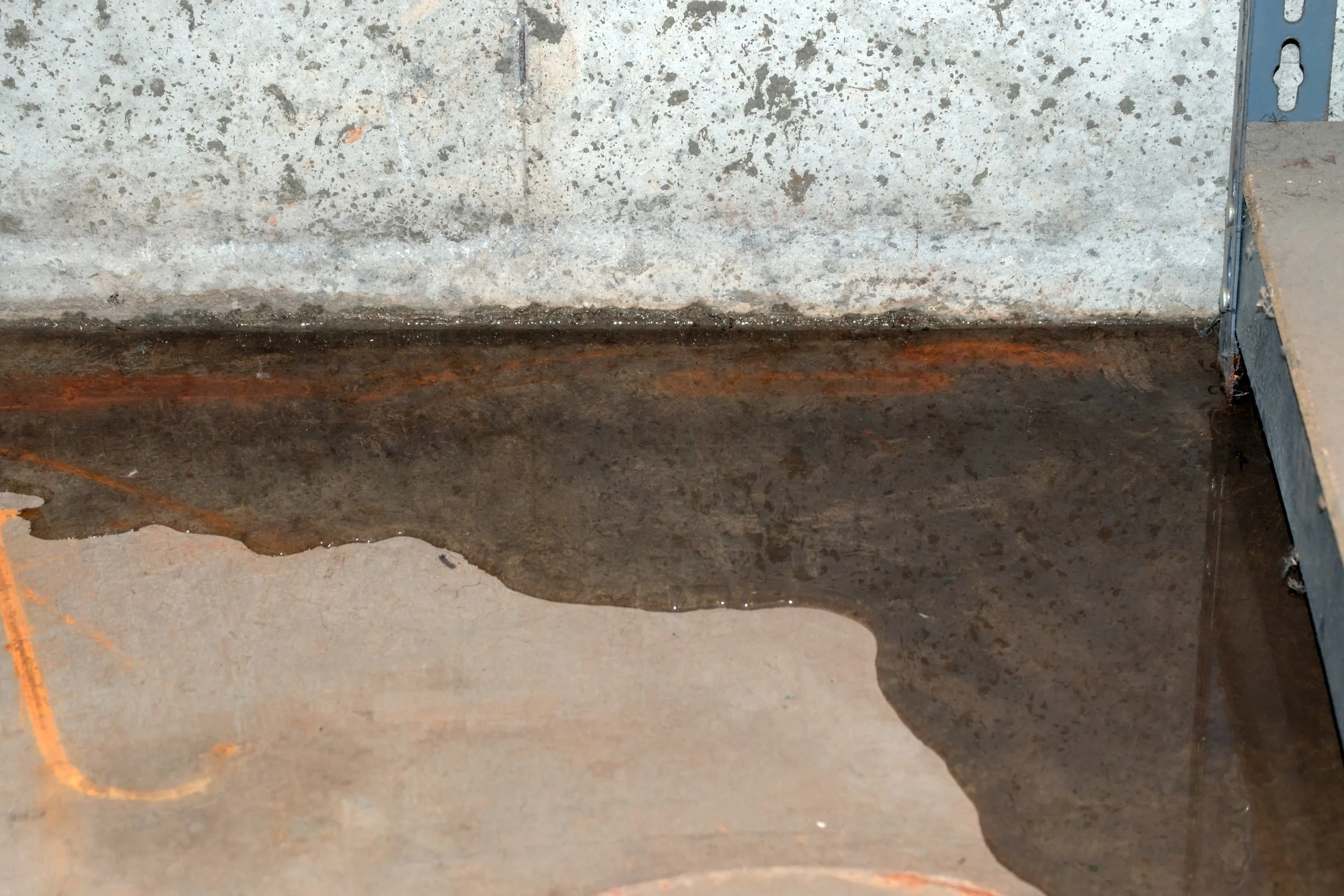
Summer in Cobb County means afternoon thunderstorms that can dump two or three inches of rain in under an hour. If your home has a basement or a low crawl space, the only thing standing between that water and your floors is a sump pump you almost never think about. And the worst possible time to learn it has failed is at midnight, mid-downpour, with the water already climbing. Five minutes of attention right now is what keeps that night from ever happening.
What your sump pump does, and why summer is its hardest season
A sump pump lives in a pit at the lowest point of your home. As groundwater rises after rain, it collects in that pit, a float switch trips, and the pump shoves the water out and away from your foundation. Through a dry stretch it can sit idle for weeks. Then one Georgia storm rolls in and it has to run hard for hours, at the exact moment you are counting on it most.
Kennesaw's heavy red clay soil only makes it harder. Clay drains poorly, so rainwater pools around foundations and pushes toward the lowest opening it can find, which is usually your basement.
Takeaway: Your pump can sit unused for weeks and then be asked to run for hours during one storm. That gap is where failures hide.
The five-minute test every homeowner should run
You do not need a plumber to confirm your pump works. Run this test today, and again before any stretch of heavy rain:
• Make sure the pump is plugged into a working GFCI outlet.
• Slowly pour a bucket of water into the sump pit until the float rises.
• Watch the pump kick on, clear the water, and shut off on its own.
• Confirm water actually exits the discharge pipe outside, well away from the foundation.
• Listen for grinding, rattling, or a pump that runs but barely moves water.
Takeaway: If the float does not trip the pump, stop here and call for service. That is the failure that floods basements.
Signs your sump pump is failing
• It runs constantly, even when it has not rained.
• It cycles on and off rapidly (short cycling).
• Strange noises, visible vibration, or rust on the unit.
• Water sitting in the pit that is not being pumped down.
• The unit is more than seven to ten years old.
Takeaway: Constant running and short cycling both wear a pump out early, so treat them as warnings, not quirks.
Why a battery backup matters in Georgia
Here is the cruel twist of summer storms: the same weather that fills your sump pit also tends to knock out the power. A standard pump runs on household electricity, so a storm-related outage can leave you with a full pit and a dead pump at the worst possible moment.
A battery backup sump pump keeps working straight through an outage, and a water-powered backup runs off your home's water pressure with no battery to maintain. For a Kennesaw home that has flooded before, a backup is one of the highest-value plumbing upgrades you can make.
Takeaway: If a storm can take out your power and fill your pit at the same time, a backup pump is not a luxury.
When to repair and when to replace
Most sump pumps last about seven to ten years. If yours is in that range and showing any warning signs, replacement usually beats a repair that buys you one more season. A plumber can also clear the discharge line of clogs or freezing points, confirm the check valve works, and make sure water is routed far enough from the foundation that it does not simply circle back.
Paramount Plumbing tests, repairs, and replaces sump pumps and installs battery backups for homeowners across Kennesaw and Cobb County.
Takeaway: A pump near ten years old with symptoms is past repair territory. Replace it before storm season, not during it.
Frequently Asked Questions
How often should I test my sump pump?
Test your sump pump at least twice a year, and again before any forecast of heavy rain. Pour a bucket of water into the pit until the float rises and confirm the pump turns on, clears the water, and shuts off. In storm-heavy Georgia summers, a quick test every few months is good practice.
How long do sump pumps last?
Most sump pumps last about seven to ten years. If yours is in that range and runs constantly, short cycles, or makes unusual noise, plan to replace it. Replacing a tired pump before storm season costs far less than cleaning up a flooded basement.
Do I need a battery backup sump pump in Georgia?
It is strongly recommended. Georgia summer storms often cause power outages at the exact moment your sump pit is filling. A battery backup or water-powered backup keeps pumping during an outage. For homes that have flooded before, it is one of the best plumbing investments you can make.
Why is my sump pump running constantly?
Constant running can mean a stuck float switch, a high water table after heavy rain, a failed check valve letting water flow back into the pit, or a pump that is undersized for your home. Constant running wears the motor out fast, so have it checked before it fails entirely.
What should I do if my sump pump fails during a storm?
Unplug it if it is safe to reach, move valuables off the floor, and use a wet/dry vacuum to control water if you can do so safely. Then call an emergency plumber. Paramount Plumbing offers 24/7 emergency service across Kennesaw and metro Atlanta for exactly this situation.
Ready to Get It Fixed?
Do not wait for the next thunderstorm to find out your sump pump quit. Paramount Plumbing tests, repairs, and replaces sump pumps and installs battery backups for homes across Kennesaw, Acworth, and metro Atlanta, with 24/7 emergency service when the water is already rising. Call (404) 400-4444 or schedule online before storm season.