Water Heater Installation Guide: Choosing the Right System for Your Atlanta Home
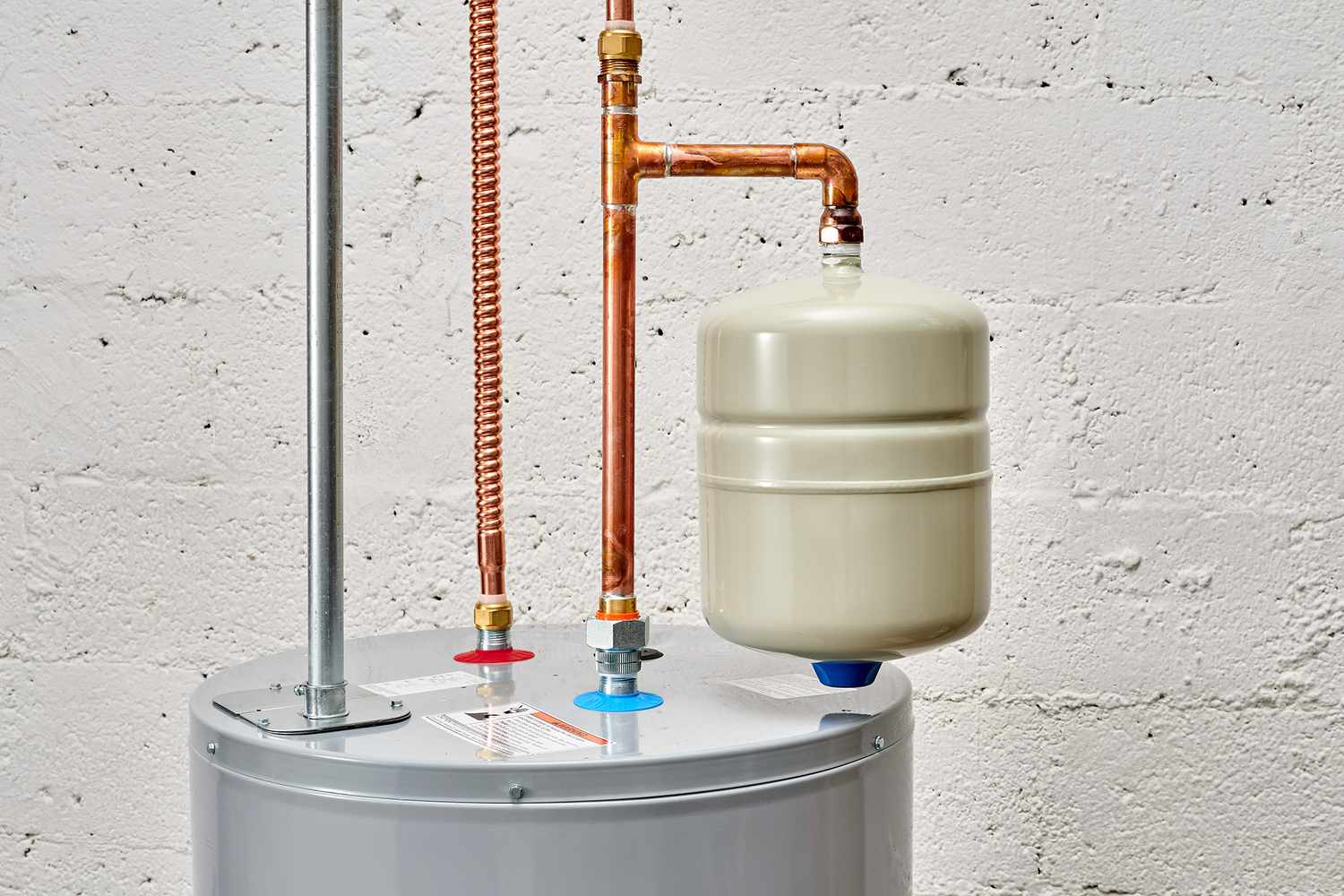
our water heater is one of the hardest-working appliances in your home, providing hot water for showers, laundry, dishes, and cleaning. When it's time for a new installation, the choices can feel overwhelming. Should you stick with a traditional tank model or upgrade to tankless? What size do you need? And how do you know if you're getting quality installation?
Here's what every Atlanta homeowner should know about water heater installation.
Signs It's Time for a New Water Heater
Age of Your Current Unit
Most traditional tank water heaters last 8-12 years. If yours is approaching or past this age, replacement is more cost-effective than ongoing repairs.
Rusty or Discolored Water
Rust-colored hot water indicates internal tank corrosion. Once this starts, the tank will eventually leak—replacement is inevitable.
Inadequate Hot Water
If your family constantly runs out of hot water or you're taking cold showers, your current system can't meet your household's demands.
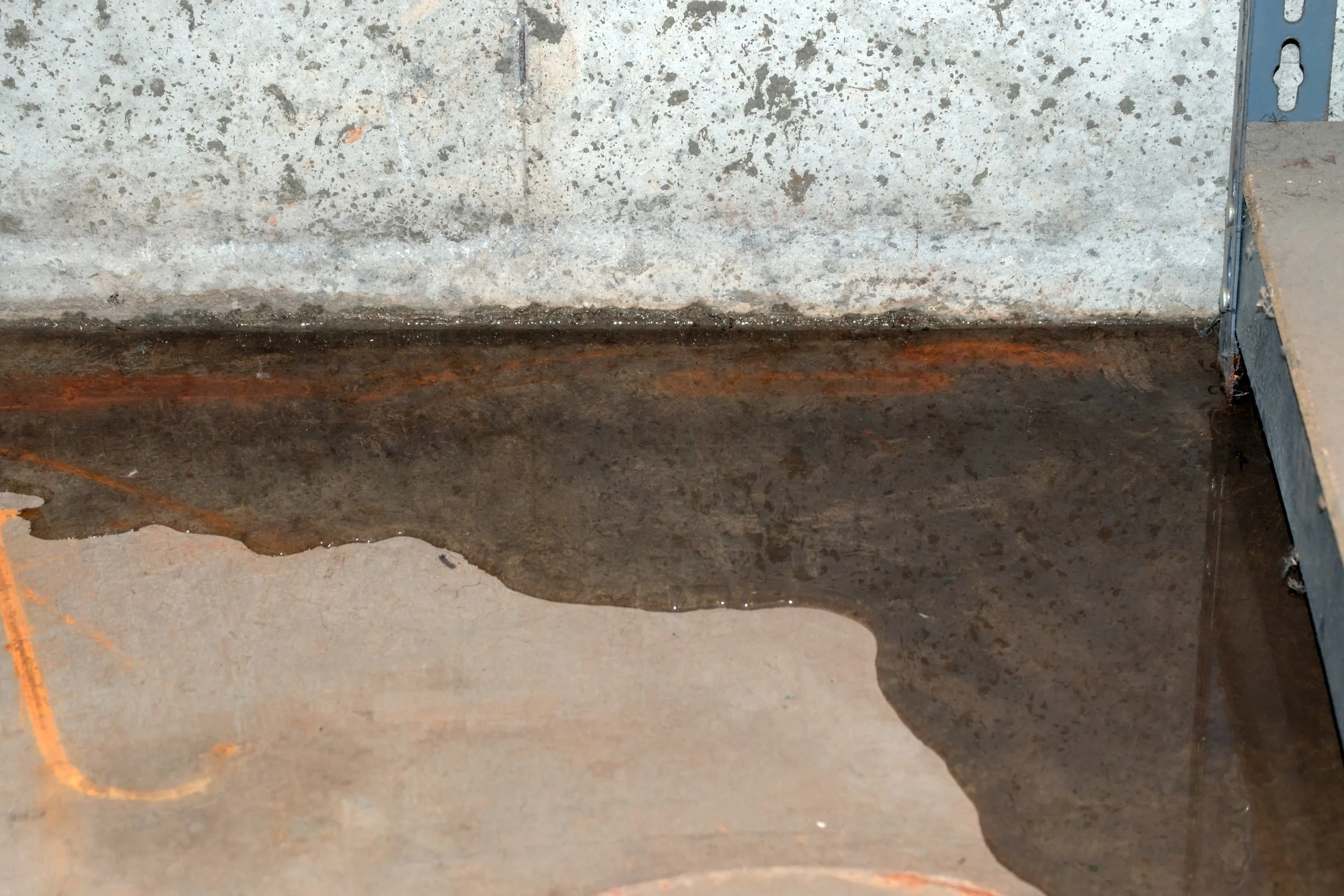
Leaking or Pooling Water
Water around the base of your heater signals tank failure. This requires immediate replacement to prevent water damage.
Rising Energy Bills
As water heaters age, they lose efficiency. A new, properly-sized unit can significantly reduce your energy costs.
Strange Noises
Rumbling, popping, or banging sounds indicate sediment buildup or failing components—often signs that replacement makes more sense than repair.
Tank vs. Tankless: Understanding Your Options
Traditional Tank Water Heaters
Pros:
Lower upfront cost
Simpler installation
Familiar technology
Can supply multiple fixtures simultaneously
Cons:
Limited hot water capacity
Takes up floor space
Standby energy loss
8-12 year lifespan
Best for: Budget-conscious homeowners, smaller families, properties with existing tank infrastructure
Tankless Water Heaters
Pros:
Endless hot water supply
20+ year lifespan
Significant energy savings (up to 30%)
Space-saving wall-mounted design
Lower long-term operating costs
Cons:
Higher initial investment
May require electrical or gas line upgrades
Flow rate limitations for simultaneous use
More complex installation
Best for: Larger families, high hot water usage, long-term homeowners, energy efficiency priorities
Sizing Your Water Heater Correctly
For Tank Water Heaters:
1-2 people: 30-40 gallons
2-3 people: 40-50 gallons
3-4 people: 50-60 gallons
5+ people: 60-80 gallons
For Tankless Water Heaters:
Calculate based on flow rate (gallons per minute) for simultaneous uses. A professional assessment ensures proper sizing for your household's peak demand.
Fuel Type Considerations in Atlanta
Natural Gas
Most common in Atlanta area homes. Gas water heaters heat water faster and cost less to operate than electric models, though installation costs may be higher.
Electric
Easier installation with no venting requirements. Good option for homes without gas lines, though operating costs are typically higher.
Heat Pump (Hybrid)
Uses electricity efficiently by transferring heat rather than generating it. Best for warm climates like Georgia. Highest upfront cost but excellent long-term savings.
Why Professional Installation Matters
Water heater installation isn't a DIY project. Professional installation ensures:
Code Compliance
Atlanta and Georgia building codes have specific requirements for water heater installation, venting, pressure relief valves, and earthquake straps. Improper installation can create safety hazards and void warranties.
Proper Sizing and Placement
Professionals assess your home's needs, available space, and infrastructure to recommend the right system and location.
Safe Connections
Gas lines, electrical connections, and water lines require expert handling. Mistakes can cause gas leaks, electrical hazards, or water damage.
Warranty Protection
Most manufacturers require professional installation to honor warranties. DIY installation voids this protection.
Permit and Inspection
Professional installers handle necessary permits and ensure your installation passes inspection.
Energy Efficiency Features to Consider
High Energy Factor (EF) Rating
Look for units with high EF ratings—they use less energy to heat water.
Insulation
Well-insulated tanks reduce standby heat loss and lower energy bills.
Heat Traps
Prevent hot water from rising into cold water pipes, improving efficiency.
Digital Controls
Allow precise temperature management and scheduling for optimal efficiency.
The Installation Process: What to Expect
Assessment: Professional evaluation of your needs, space, and existing infrastructure
Selection: Choosing the right type, size, and model for your home
Removal: Safe disconnection and removal of your old water heater
Preparation: Any necessary updates to gas lines, electrical, or plumbing
Installation: Professional installation of your new system
Testing: Verification that everything works properly and safely
Cleanup: Removal of old equipment and cleanup of work area
Most installations complete in 3-6 hours, though complex upgrades may take longer.
Maintenance Tips for Longevity
Flush the tank annually to remove sediment
Test the pressure relief valve yearly
Adjust temperature to 120°F for efficiency and safety
Schedule professional inspections every 2-3 years
Address small issues promptly before they become major problems
Making the Investment
A new water heater is a significant investment, but it pays dividends through:
Reliable hot water supply
Lower energy bills
Reduced repair costs
Increased home value
Peace of mind
With proper installation and maintenance, your new water heater will serve your family reliably for years to come.
Ready to install a new water heater in your Atlanta home? Paramount Plumbing provides expert water heater installation for all types and sizes throughout Metro Atlanta. Our licensed plumbers help you choose the right system and ensure professional installation that meets all codes and manufacturer requirements.
Call (404) 400-4444 or visit ppatlanta.com for a free consultation and quote.