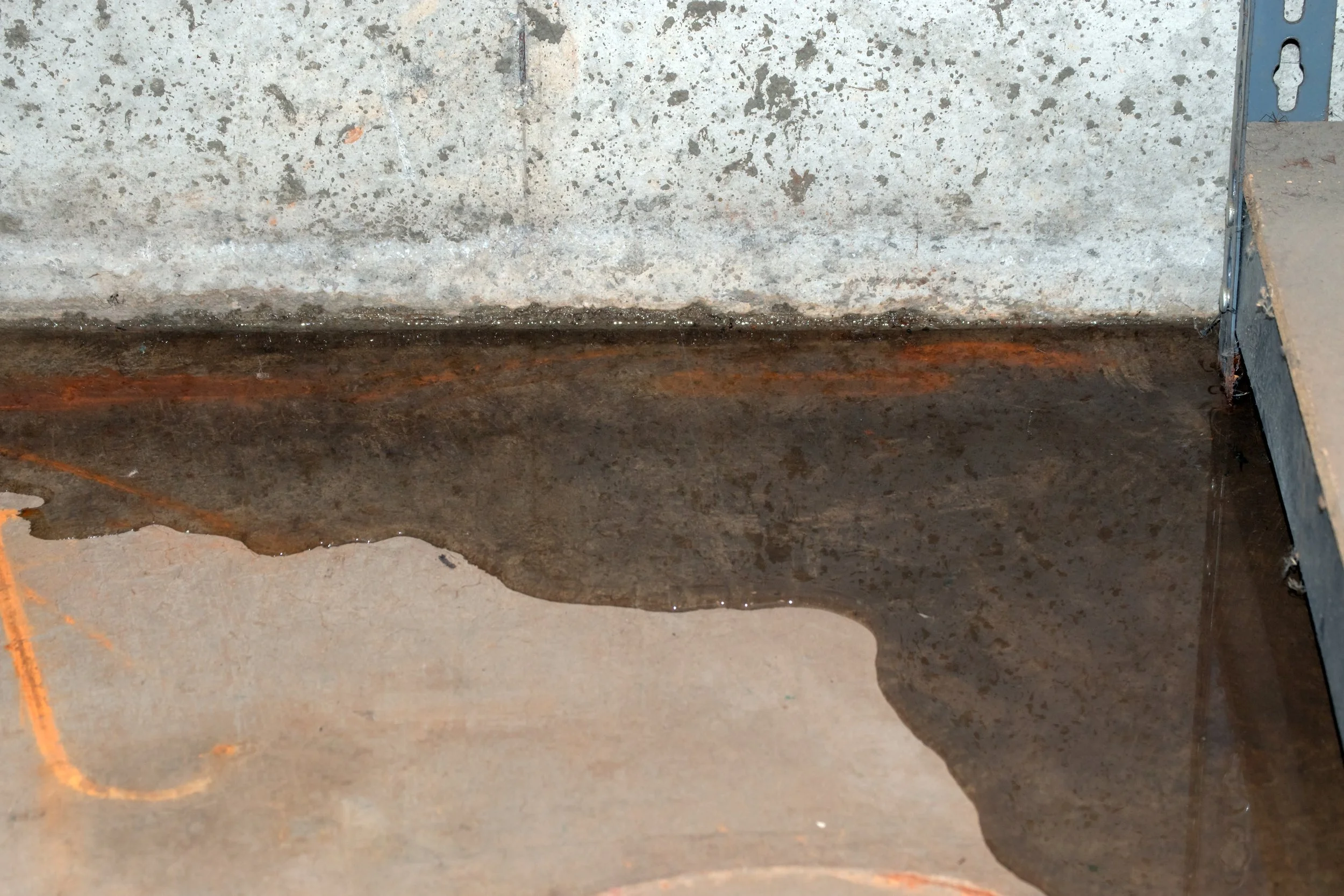
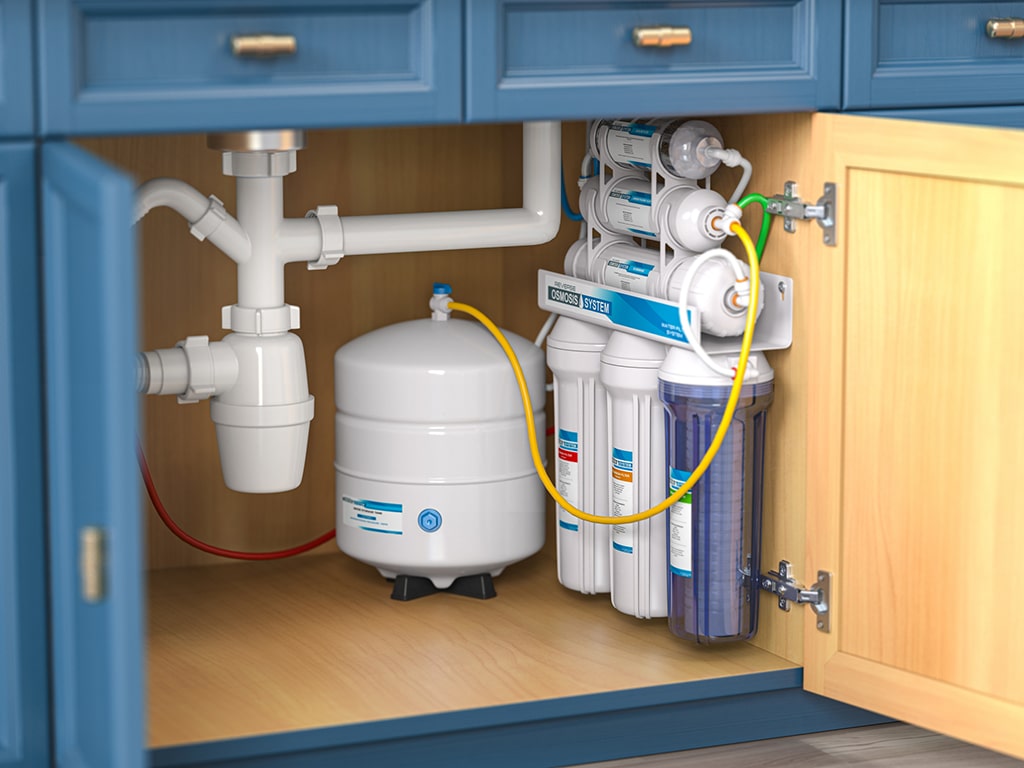
Winter Plumbing Prep: Protect Your Atlanta Home from Freeze Damage
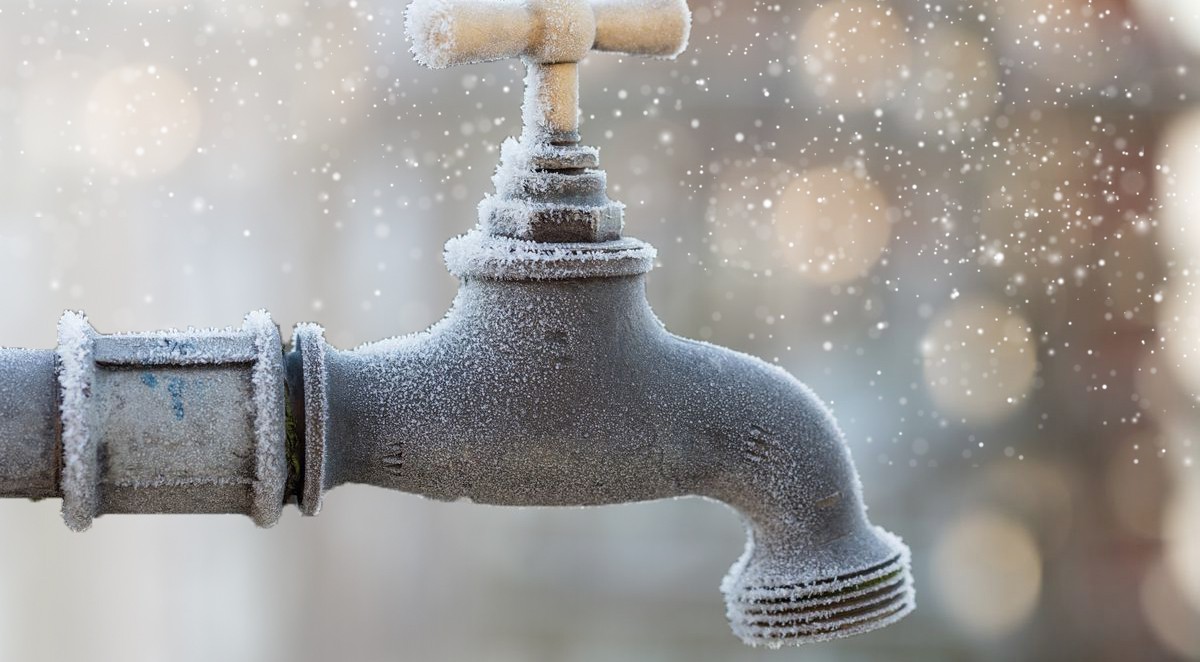
Atlanta winters might be milder than up north, but those sudden cold snaps can wreak havoc on unprepared plumbing systems. Even a brief freeze can burst pipes and cause thousands in water damage. The good news? A little prevention goes a long way.
Why Atlanta Homes Are Especially Vulnerable
Because we don't face extreme cold regularly, many Atlanta homes have pipes in crawl spaces, attics, and exterior walls without the heavy insulation you'd find in northern climates. When temperatures drop unexpectedly, these pipes are sitting ducks.
When water freezes, it expands with incredible force, enough to split copper, PVC, and steel pipes. The real damage happens when things thaw and water starts gushing through the cracks.
This is not a rare event here. On Christmas Eve 2022, Atlanta dropped to 8 degrees and stayed below freezing for three days. Burst pipes flooded apartment buildings, libraries, and businesses across the metro. State Farm later reported that Georgia led the nation in paid frozen pipe claims from August 2022 to August 2023, about $100 million in Georgia alone.
Pro tip: Pipes in unheated spaces are most at risk when it drops below about 20 degrees, but a long night in the mid-20s can still freeze a pipe on an exposed wall.
Know Your Home's Weak Spots
Walk around your property and identify vulnerable areas before the temperature drops. Pay special attention to:
Outdoor faucets and hose bibs: These are directly exposed to freezing air and are often the first to fail. If you can still twist a hose onto them, they're at risk.
Crawl space pipes: The pipes running under your home don't benefit from your heating system. Cold air flows freely through crawl spaces, especially if you have foundation vents.
Garage and exterior wall pipes: Any plumbing along outside walls or in unheated garages faces cold exposure. Kitchen sinks on exterior walls are particularly common trouble spots.
Attic plumbing: Water supply lines in your attic are surrounded by cold air, not the warm air from your living space below.
Simple Steps That Prevent Expensive Problems
Disconnect and drain outdoor hoses: Remove hoses from all outdoor faucets and let them drain completely. Water trapped in a hose can freeze back into the pipe.
Insulate exposed pipes: Foam pipe insulation from any hardware store provides an effective barrier. Focus on crawl spaces, attics, and garage pipes first. Even newspaper wrapped around pipes offers some protection in a pinch.
Seal crawl space vents: Temporarily close foundation vents when freezing weather is forecast. Just remember to reopen them when temperatures rise to prevent moisture problems.
Let faucets drip during hard freezes: When temperatures are predicted to drop into the 20s, let faucets connected to vulnerable pipes drip slightly. Moving water is much harder to freeze than standing water.
Keep cabinet doors open: For sinks on exterior walls, open the cabinet doors to let warm room air circulate around the pipes.
Your Freeze-Night Checklist
When the forecast calls for a hard freeze, take ten minutes before bed to run through this list.
Set the thermostat and leave it: Keep the heat at the same temperature day and night, and never below 55 degrees, even if you are leaving town.
Drip the right faucets: Open faucets on exterior walls to a slow drip. On a single-handle faucet, set the handle in the middle so both the hot and cold lines move.
Open sink cabinets: Let warm air reach the pipes under kitchen and bathroom sinks on outside walls.
Close the garage: Keep garage doors shut if water lines run through the garage.
Cover hose bibs: Put insulated covers on outdoor faucets after you disconnect the hoses.
Find your main shutoff: Know where your main water valve is and make sure it turns. If a pipe bursts at 2 a.m., you do not want to be searching for it in the dark.
Pro tip: Traveling over the holidays? Keep the heat on and shut off the main water valve before you leave. A burst pipe in an empty house can run for days before anyone notices.
What to Do If Pipes Freeze
If you turn on a faucet and only a trickle comes out, you likely have a frozen pipe. Don't panic, but act quickly.
Keep the faucet open. As you warm the pipe, the melting ice needs somewhere to go. Never use open flames or high heat sources like blowtorches. Instead, use a hair dryer, heat lamp, or hot towels to gradually warm the pipe, working from the faucet back toward the frozen section.
If you can't locate the freeze or if it's in a wall or ceiling, it's time to call a professional. Trying to thaw hidden pipes yourself can lead to flooding if they've already cracked.
If a Pipe Bursts
Move fast. A burst pipe can release a lot of water in a short time, so the first job is to stop the flow.
Shut off the main water valve: It is usually where the main line enters your home, in a basement, crawl space, or garage, or near the water meter.
Turn off the water heater: Switch off power to an electric unit or set a gas unit to pilot so it does not run while the water is off.
Open faucets to drain the lines: This relieves pressure and drains the water still sitting in the pipes.
Take photos and move valuables: Pictures of the damage help with an insurance claim later.
Call a licensed plumber: Paramount Plumbing answers emergency calls 24/7 at (404) 400-4444.
When to Call Paramount Plumbing
If you're unsure where your vulnerable pipes are located, haven't winterized in past years, or want professional pipe insulation installed, we can help. We'll assess your home's specific risks and implement solutions that protect your plumbing year after year.
A service call now costs far less than emergency pipe repairs and water damage restoration later.
Get your Atlanta home winter-ready. Contact Paramount Plumbing for pipe insulation, outdoor faucet winterization, and expert plumbing protection services.
Call (404) 400-4444 any time to schedule a winter plumbing check, or right away if a pipe has frozen or burst. We answer emergency calls 24/7.
Frequently Asked Questions
At what temperature do pipes freeze in Atlanta?
Pipes in unheated spaces like crawl spaces, attics, and garages are most at risk once outdoor temperatures drop below about 20 degrees. Pipes on poorly insulated exterior walls can freeze on milder nights too, especially when the cold lasts for many hours.
Should I let my faucets drip during a freeze?
Yes. On hard freeze nights, let faucets on exterior walls drip slowly. Moving water is much harder to freeze, and an open faucet relieves pressure if ice starts to form in the line.
What should I do if a pipe freezes but has not burst?
Open the faucet first, then warm the pipe gently with a hair dryer, heating pad, or warm towels, starting near the faucet and working back. Never use an open flame. If you cannot find or reach the frozen section, call (404) 400-4444.