How to Know When Your Water Heater Needs to Be Replaced (A Kennesaw Homeowner's Guide)
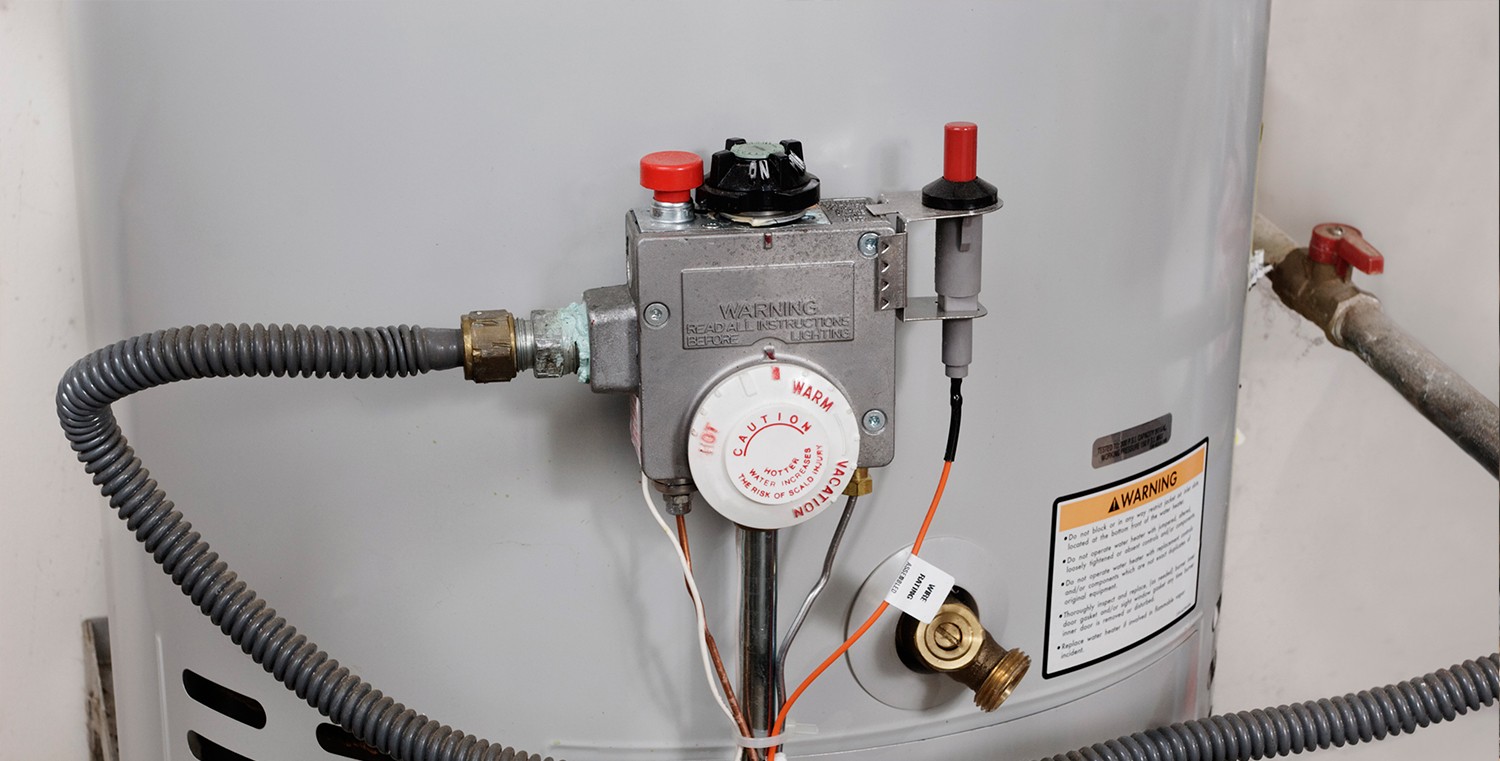
Most water heaters fail on a timeline you can predict. They do not just stop working one day without warning — they give you signals for months before the tank lets go. The problem is most homeowners do not know what to look for, so they miss the warning signs and end up dealing with a flooded utility room or a week without hot water while waiting on an emergency install. This guide covers what to watch for, how long water heaters actually last in the Atlanta area, what replacement options make sense, and how to make the decision before the tank makes it for you.
How long do water heaters last in Kennesaw?
The standard answer is eight to twelve years for a tank water heater and fifteen to twenty years for a tankless. The honest answer is: it depends on your water.
Kennesaw and the surrounding Cobb County area is served by water that runs moderately hard — enough that sediment accumulates at the bottom of tank water heaters at a meaningful rate. That sediment acts as insulation between the heating element and the water, forcing the unit to work harder, run longer, and wear out faster. A water heater in this area that has never been flushed may start showing efficiency problems well before the eight-year mark.
If your home has a water softener and your water heater has been flushed annually, you are likely to hit the high end of the range. If neither is true, budget for replacement around years eight to ten.
Warning signs your water heater is failing
Age past ten years
If your tank water heater is more than ten years old and has not been serviced, replacement is worth planning for now rather than later. Check the serial number on the manufacturer's label — most encode the manufacture date in the first four characters. A plumber can decode it for you in seconds.
Rusty or discolored hot water
Rust-colored water from hot taps indicates that the tank itself is corroding on the inside. This is not a maintenance issue — it is a structural failure in progress. Once the inside of the tank corrodes through, you are looking at a leak. Replace it.
Rumbling, popping, or banging sounds
Sediment accumulates at the bottom of the tank over time. When the water heats, it has to percolate through that sediment layer. The sounds you hear are sediment being disturbed and steam bubbles forming underneath the buildup. It means the heating element is overworking and the tank floor is under thermal stress. Flushing can help if caught early. If the sounds have been present for months, the tank may be past the point where flushing adds meaningful life.
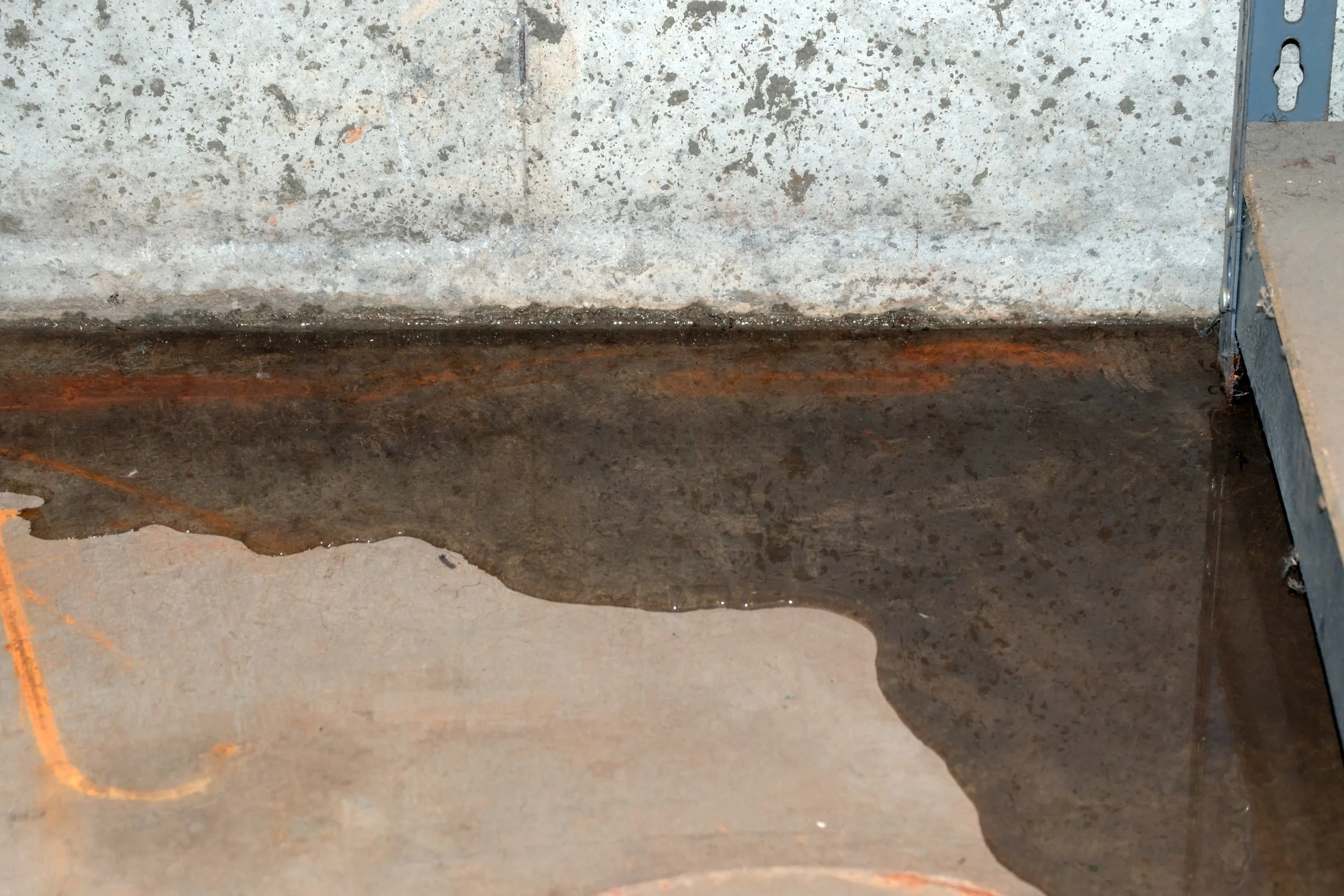
Water pooling around the base
Any water around the base of the water heater warrants immediate attention. Small amounts can come from condensation or from fittings, both of which are repairable. Water that appears after the unit has been running — especially if the temperature and pressure relief valve is dripping — may indicate internal tank pressure problems or a failing T&P valve. A leaking tank body means replacement.
Inconsistent hot water or longer recovery times
If the shower runs cold faster than it used to, or if the morning routine now requires waiting longer between showers, recovery time has degraded. The two most common causes are sediment reducing heating efficiency and a failing heating element. Both are worth diagnosing before assuming replacement, but in a unit over eight years old, the diagnosis often confirms replacement is the better investment.
Rising energy bills without a clear cause
A struggling water heater draws more electricity or gas to maintain the same output. If your utility bills have climbed without a change in household usage, appliance wear is a common culprit.
Tank vs. tankless: which makes sense for your home?
This question comes up in almost every replacement conversation. Here is a straightforward breakdown.
Tank water heaters
Tank water heaters store a set volume of hot water — typically 40 to 80 gallons — and keep it heated continuously. They have a lower upfront cost, are simpler to maintain, and work with any existing setup.
The right fit for: most Kennesaw single-family homes with standard hot water demand, homeowners prioritizing lower upfront cost, and homes without the gas line infrastructure for a high-output tankless.
Tankless water heaters
Tankless units heat water on demand as it passes through the unit, rather than storing it. They do not run out of hot water, they are smaller, and they are more energy-efficient because they are not keeping a tank heated 24 hours a day. The tradeoff is higher upfront cost — often two to three times that of a tank unit — and, in many cases, the need for a gas line upgrade or an electrical panel upgrade for electric models.
The right fit for: households with high simultaneous hot water demand (multiple showers running at once), homeowners planning to stay in the home long enough to recoup the efficiency savings, and new construction or full renovation where infrastructure upgrades are already happening.
A note on the Georgia 2023 Energy Code
Georgia adopted updated energy codes that affect minimum efficiency requirements for water heaters in new installations. A licensed plumber can confirm which units meet current code for your specific application before purchase — this matters for permit compliance and insurance purposes.
What to expect from the replacement process
A standard tank water heater replacement by a licensed plumber typically takes two to three hours from arrival to restored hot water. The process includes:
Shutting off the water supply and gas or electrical supply to the unit.
Draining and disconnecting the old unit.
Hauling away the old unit (confirm this is included with your quote).
Installing the new unit with proper connections, expansion tank if required, and updated T&P valve.
Testing for leaks, proper ignition, and correct thermostat operation.
Pulling any required permits. In Cobb County, water heater replacements require a permit and inspection. A licensed contractor handles this — if a plumber tells you no permit is needed for a water heater replacement, that is a red flag.
Tankless installations are more involved, particularly if they require gas line upsizing, venting modifications, or condensate line routing. Budget a full day for a tankless installation.
The case for replacing before failure
Replacing a water heater on a planned schedule costs less than replacing one on an emergency timeline. The difference shows up in three ways:
Equipment selection. When you replace in advance, you have time to compare models, efficiencies, warranties, and prices. Emergency replacements happen with whatever is available that day.
Installation timing. You choose the appointment. Emergency installs often carry after-hours or expedited-service premiums.
Collateral damage. A water heater that fails slowly may leak for days before anyone notices. A sudden tank failure can dump forty gallons onto a utility room floor. Water that reaches drywall, flooring, or an adjacent space creates a restoration claim that costs far more than the water heater itself.
If your unit is over eight years old, budget for replacement in the next maintenance cycle rather than waiting.
Frequently Asked Questions
Does Cobb County require a permit to replace a water heater?
Yes. Cobb County requires a permit for water heater replacement, and the installation must be inspected. Paramount Plumbing handles the permit process as part of every water heater installation.
What size water heater do I need?
For most Kennesaw homes, the rule of thumb is 10 gallons per person, but actual sizing depends on peak demand — the maximum hot water you use simultaneously, not the average. A licensed plumber can size the unit correctly for your household. Undersized units run out of hot water; oversized units waste energy keeping excess capacity heated.
Can I install a water heater myself in Georgia?
Georgia law requires that water heater installations be performed by a licensed plumber and permitted through the local jurisdiction. Homeowner-installed water heaters that are not permitted can create issues with homeowner's insurance claims and with home sales.
Is flushing my current water heater worth it if it is seven years old?
Yes, if the unit is otherwise functioning normally and showing no signs of internal corrosion. Annual flushing removes sediment and extends the useful life of the tank. If the unit is already showing symptoms — discolored water, unusual sounds, inconsistent recovery — flushing is unlikely to reverse the decline.
What brands do you install?
Paramount Plumbing installs units from major manufacturers including Rheem, Bradford White, and AO Smith. We can discuss the options that make the most sense for your home and budget before the appointment.
Plan the replacement on your schedule, not the tank's
Your water heater will give out eventually. The only question is whether you are ready when it does. Paramount Plumbing installs tank and tankless water heaters across Kennesaw, Acworth, Marietta, and greater Cobb County. We handle permits, haul away the old unit, and have you back to hot water the same day in most cases. Call (404) 400-4444 to schedule an inspection or get a replacement quote.