Tankless vs. Traditional Water Heaters, A Kennesaw Homeowner's Guide
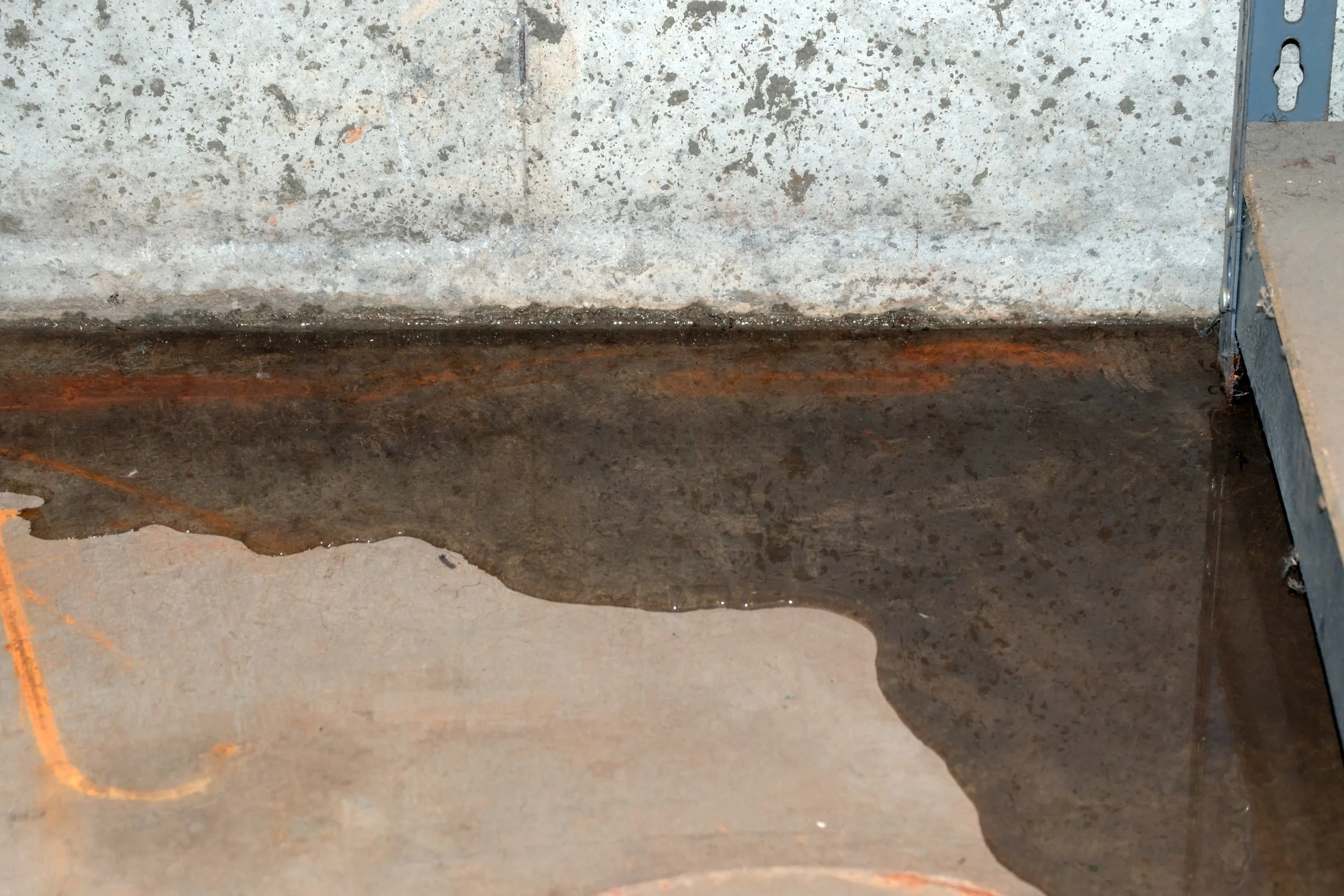
If your water heater is creeping past its tenth birthday, or already puddling in the garage, you have a decision to make before the next cold snap hits Kennesaw. Tankless units promise endless hot water and lower bills. Traditional tank heaters cost less upfront and are simpler to maintain. This guide breaks down what actually matters for Cobb County homes: installation realities, true cost of ownership, lifespan under Georgia's hard water, and when each option is the smarter pick.
How long should a water heater last in Georgia?
A conventional tank water heater usually lasts 8 to 12 years. A tankless unit, properly maintained, can run 20 years or more. That difference alone accounts for a large chunk of the total cost comparison we will get to later.
In and around Kennesaw, water hardness varies by source but generally sits in a moderate range. Scale builds up on heating elements, inside tanks, and across tankless heat exchangers, and it shortens the service life of every component it touches. If your hot water sputters, the tap runs a bit rusty, or the heater makes rumbling sounds when it kicks on, you are already seeing sediment and scale at work.
Common signs your water heater is near the end include rusty hot water, a knocking or popping sound, water pooling around the base, rising utility bills, and lukewarm showers that used to be hot. If two or more of those sound familiar, you are deciding between repair and replacement, not whether to start shopping
Tankless water heaters, explained
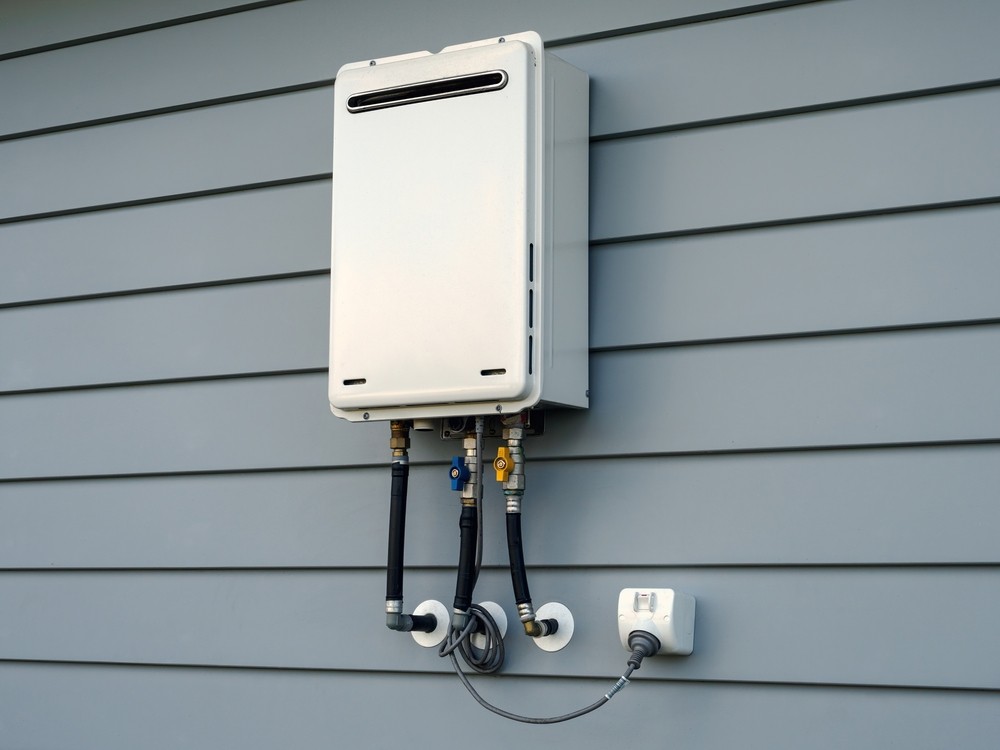
Tankless units, also called demand-type or instantaneous water heaters, only heat water when you turn on the tap. A gas burner or electric element fires when flow starts, and shuts off when flow stops. There is no stored tank sitting at 120 degrees all day, which is where traditional heaters lose a big chunk of their energy.
The U.S. Department of Energy puts the savings this way: for homes that use 41 gallons of hot water or less per day, demand water heaters are 24 to 34 percent more efficient than conventional storage tank units. For homes that use a lot of hot water, around 86 gallons per day, the savings narrow to 8 to 14 percent but are still real (see Tankless or Demand-Type Water Heaters).
ENERGY STAR gets more specific on the dollars. An ENERGY STAR certified gas tankless unit saves a family of four about $95 per year on gas bills, or roughly $1,800 over the unit's lifetime (see ENERGY STAR Gas Tankless Water Heaters).
Real advantages for a Kennesaw household:
• Endless hot water. Back-to-back showers without running cold.
• Smaller footprint. A wall-mounted unit frees up closet or garage space.
• Longer lifespan. 20 or more years with annual descaling.
• Lower monthly operating cost, especially in smaller households.
Honest tradeoffs:
• Higher upfront cost. Installed tankless systems in 2025 and 2026 typically run $1,800 to $5,500 depending on fuel and complexity, with gas units averaging higher in that range.
• Gas line or electrical upgrades. Many Kennesaw homes built before 2000 need a larger gas line or a panel upgrade to feed a whole-house tankless.
• Cold groundwater in winter. Georgia winters are not brutal, but incoming water can drop into the 40s. Size the unit correctly and this is a non-issue.
Traditional tank water heaters, explained
A tank water heater holds 40 to 80 gallons of water at set temperature all day and refills as you use it. Installation is fast, the mechanics are familiar to any licensed plumber, and replacement is usually a same-day job.
Pros:
• Lower upfront cost. Installed tank units usually land between $1,200 and $2,500.
• Simpler swap-outs. If the configuration has not changed, your plumber can pull the old unit and set the new one in a few hours.
• Strong simultaneous demand. A well-sized 75-gallon unit easily handles a family running two showers and a washing machine at the same time.
Cons:
• Shorter lifespan. 8 to 12 years is the realistic window.
• Standby losses. You pay to keep 50 gallons hot whether anyone is home or not.
• Failure risk. When a tank lets go, it can dump 40 or more gallons into a garage or basement.
Cost comparison over 20 years
A 20-year horizon is where tankless often pulls ahead. Most homeowners replace a tank unit at least once inside that window, so the cheaper option at the register stops being cheaper.
A rough look for a typical Kennesaw family of four:
• Traditional 50-gallon gas tank: about $1,800 installed in year one, about $2,000 to replace at year 11, and roughly $6,000 to $8,000 in energy cost over 20 years at Georgia Power and Cobb EMC rates. Total: around $9,800 to $11,800.
• ENERGY STAR gas tankless: about $3,500 installed in year one, no replacement expected within 20 years, and roughly $4,500 to $6,500 in energy cost. Total: around $8,000 to $10,000.
Numbers shift with usage, fuel cost, and install complexity, but the pattern holds. Tankless tends to break even between years 7 and 10 for most households and pulls ahead from there.
Gas vs. electric, and where heat pumps fit
Most Kennesaw homes with natural gas service are a great fit for a gas tankless. You get the highest flow rate, the fastest recovery, and the lowest operating cost per gallon heated.
Electric tankless units work well for smaller applications: a kitchen remote from the main heater, an addition, or a single bathroom. Whole-house electric tankless units exist, but they often demand 200-amp service and two or three 40-amp breakers, which means a panel upgrade in many older homes.
A third option worth knowing about is the heat pump water heater. It uses a tank but pulls heat from the surrounding air, which makes it two to three times more efficient than a standard electric tank. For 2026, the federal Energy Efficient Home Improvement Credit (IRS Section 25C) can cover 30 percent of the cost of a qualifying heat pump water heater, up to $2,000 per year (see IRS Energy Efficient Home Improvement Credit). For the right home, that makes it the lowest-cost option over a 15-year window, especially combined with lower electric rates compared to gas.
What installation actually looks like
A tankless swap-in is not always a drop-in replacement. A proper install includes:
Home assessment. A Paramount Plumbing technician sizes the unit to your peak demand and confirms gas line capacity, vent routing, and electrical service.
Permit pull with Cobb County or your local municipality. Water heater replacements require permits and inspections in most jurisdictions around metro Atlanta.
Existing unit removal and disposal.
Gas line, vent, and water connections. Tankless often requires a larger gas line and a stainless vent kit.
Pressure test, combustion test, and leak check.
Warranty registration and walk-through.
Plan on a half-day for a straightforward tank-to-tank swap and a full day for a first-time tankless install. If your system needs a gas line upsize, add a few hours.
Maintenance that doubles a water heater's life
Whether you go tank or tankless, a yearly service visit is the single best thing you can do for longevity.
Tank units:
• Annual flush to clear sediment.
• Anode rod inspection every 2 to 3 years; replace if corroded.
• T&P valve test annually.
Tankless units:
• Annual descaling with a food-grade solution.
• Inlet filter clean.
• Combustion check on gas units.
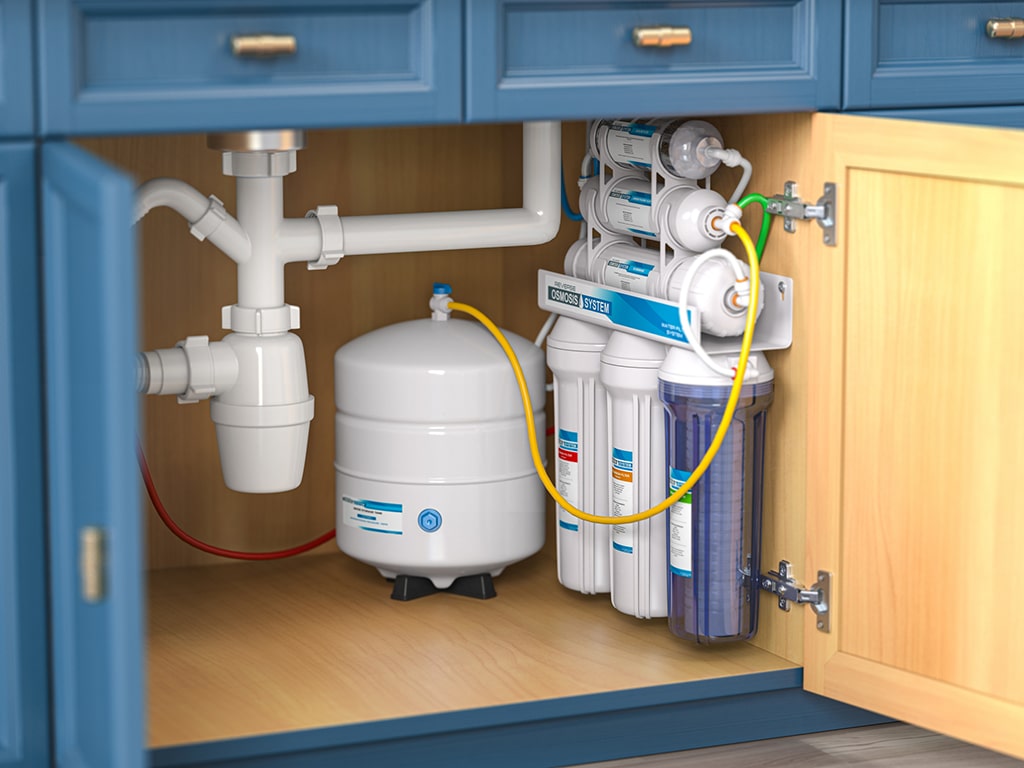
In harder-water parts of Cobb County, a whole-home water filter or softener can meaningfully extend the life of any water heater and the fixtures downstream.
When to repair vs. replace
A useful rule of thumb: if the repair quote is more than 50 percent of a new unit and your current heater is 8 years or older, replace. Under 8 years and a clear, isolated repair, fix it.
Call for replacement immediately if you see:
• Rust-colored hot water from every fixture.
• Visible corrosion at the tank seams.
• Water pooling under the unit.
• Repeated ignition or error-code failures on a tankless.
Frequently Asked Questions
Is a tankless water heater worth it in Georgia?
Yes for most households. Lower monthly operating cost, 20-plus year lifespan, and endless hot water usually offset the higher upfront price within 7 to 10 years. Very large families with constant heavy use see smaller savings but still benefit from the longer lifespan.
How long does a tankless water heater last?
With annual descaling, 20 years or more is realistic. Neglected units can fail as early as year 10, which puts them in the same window as a standard tank.
Can I switch from electric tank to gas tankless?
Usually yes, but it requires running a properly sized gas line, venting, and sometimes upsizing the gas meter. A licensed plumber can confirm feasibility in a single visit.
Does Cobb County require a permit for water heater replacement?
Yes. Water heater replacements require a plumbing permit and inspection in Cobb County and surrounding jurisdictions. A licensed plumber handles the permit as part of the install.
How much does it cost to install a tankless water heater in Kennesaw?
Most installations fall between $2,500 and $5,500, with gas units averaging around $3,500 and electric units lower. Complex retrofits with new gas line, venting, or panel work can run higher.
Still not sure which to choose?
Paramount Plumbing installs and services water heaters across Kennesaw, Acworth, Marietta, and metro Atlanta. We will evaluate your current setup, size the right unit for your household, and give you a transparent all-in quote with no pressure. Call (404) 400-4444 or request service online to schedule a free water heater assessment.