The Annual Apartment Plumbing Maintenance Checklist Every Cobb County Property Manager Needs
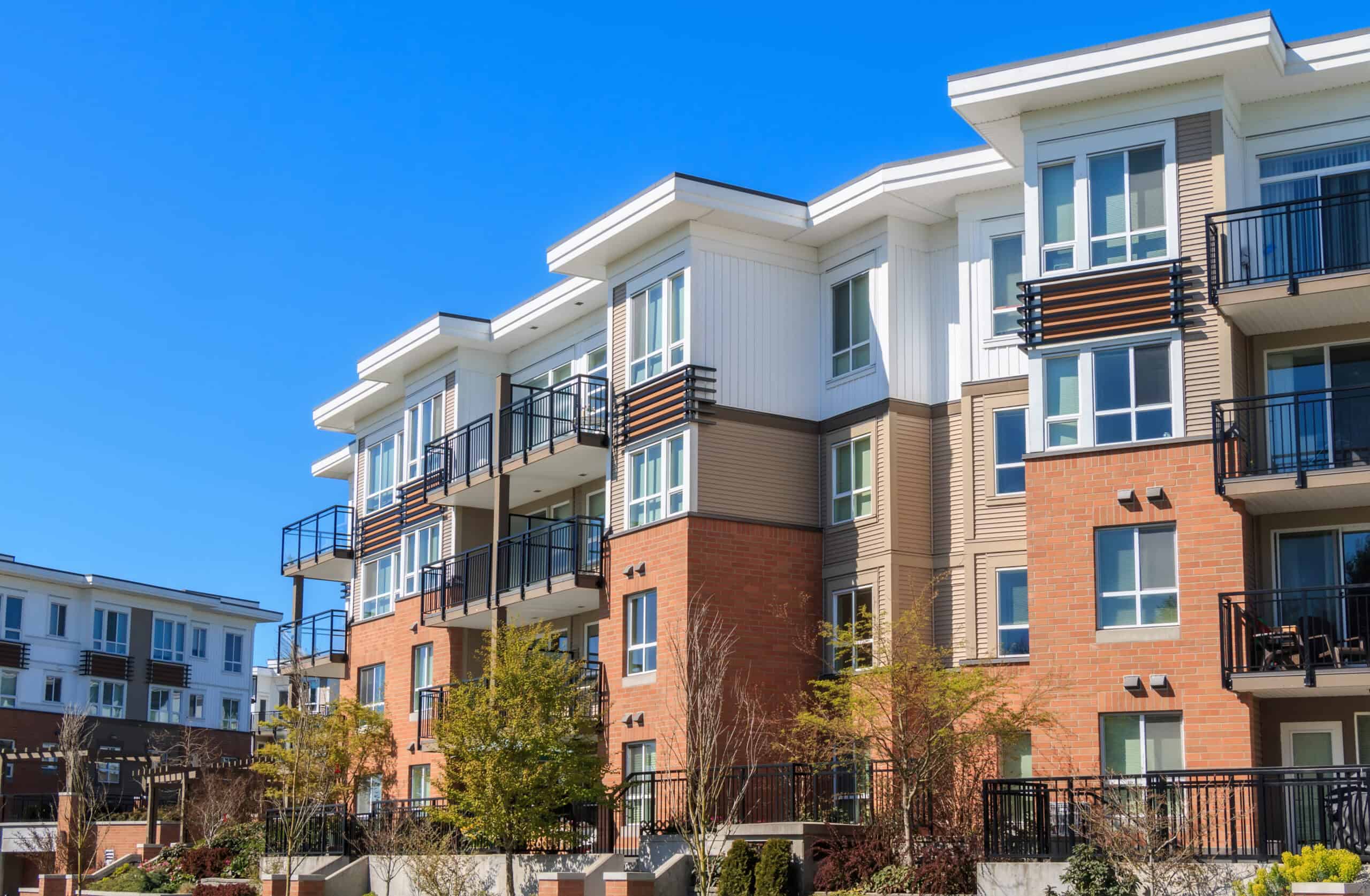
Every property manager knows the math: one preventable burst pipe in a third-floor unit can cost more than a full year of preventive maintenance. With dozens or hundreds of units sharing supply lines, drains, water heaters, and lift stations, small problems compound fast. This checklist is built from what Paramount Plumbing sees across apartment communities in Kennesaw, Marietta, Acworth, and the greater Atlanta metro. Print it, assign tasks, and move your maintenance calendar from reactive to proactive before the next season of call-outs.
Why preventive plumbing maintenance pays off
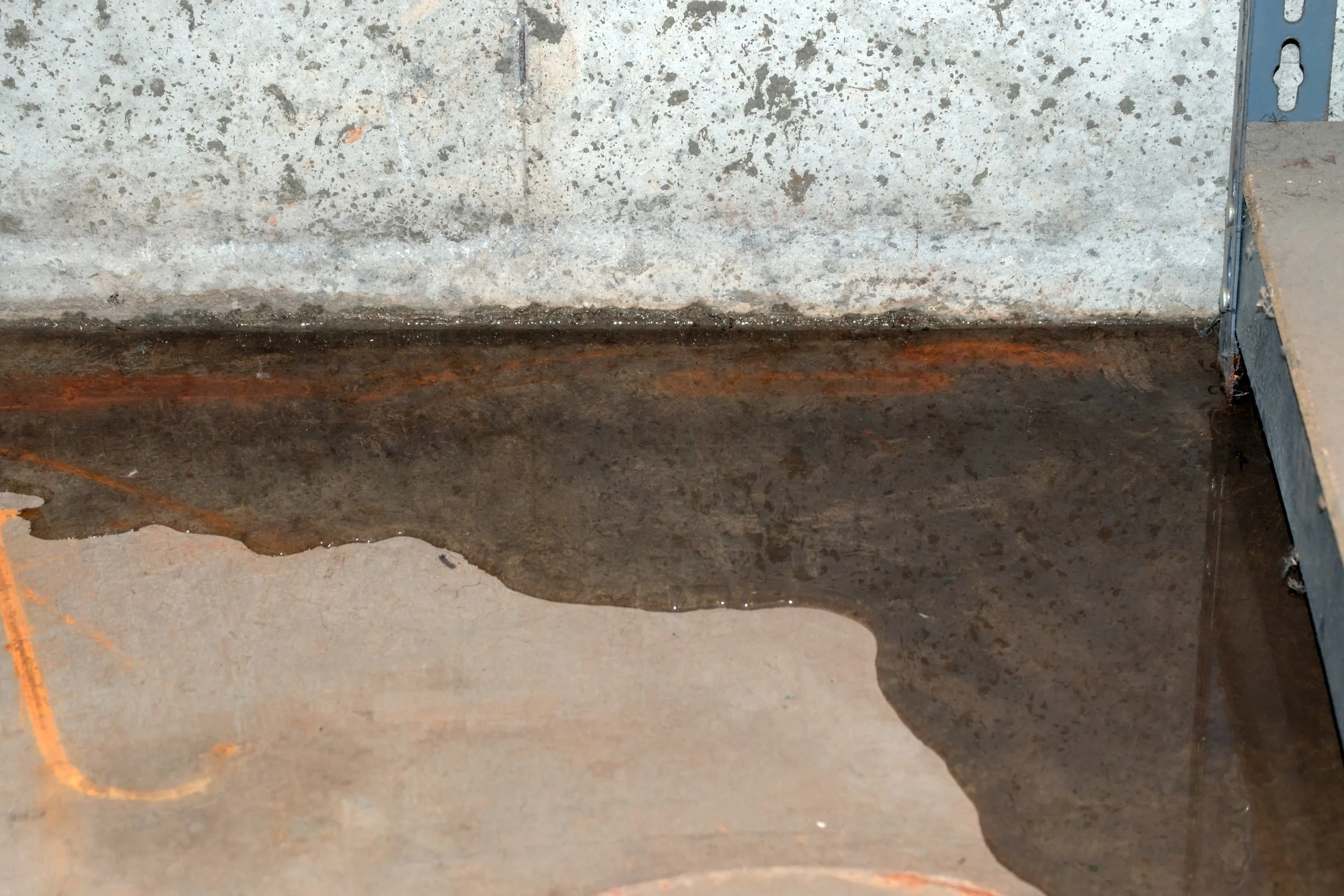
Water damage is the leading cause of commercial property insurance claims. Zurich North America reports that 57 percent of the commercial property claims it processes each year are for water damage, and across the industry, water damage accounts for more than 50 percent of all commercial real estate claims (Risk and Insurance analysis). Research from The Hartford attributes roughly 75 percent of water damage losses to plumbing, HVAC, and other appliances that discharge liquid accidentally.
For multifamily properties, the impact is compounded. A single failure can affect three or four units directly, trigger immediate tenant relocations, produce black mold claims months later, and drive up property insurance premiums on renewal.
Preventive maintenance does not eliminate that risk. It measurably lowers it, and it lowers operating cost across the portfolio by reducing emergency call-outs, making capital planning predictable, and extending the life of major assets.
The annual checklist, by season
Apartment plumbing maintenance is not one big annual push. It is a rolling calendar tuned to what fails when. Here is the structure that works for most Cobb County communities.
Spring (March through May)
• Test and recertify every backflow preventer. Required annually in Cobb County and submitted through the Swift Comply portal. Apartment communities commonly have several: one on the main potable supply, one on each irrigation zone, one on the fire line, and often one on the pool fill.
• Inspect hose bibs and outdoor spigots for freeze damage from the previous winter. A split hose bib spraying inside a wall for a week is how laundry-room floods start.
• Camera-inspect main sewer laterals before summer storm season loads them up. Focus on buildings with mature trees nearby.
• Clear roof drains, scuppers, and overflow routes. Spring pollen and leaf debris cap drains faster than most maintenance plans anticipate.
• Flush common-area water heaters. Sediment removal extends life and preserves recovery speed in amenity areas.
• Pressure-test the irrigation system. Look for unreasonably high consumption. It usually means a ruptured line underground.
Summer (June through August)
• Hydro-jet the main sewer lines. Summer is the best window to get ahead of the fall root-growth cycle. Annual hydro-jetting prevents the vast majority of late-season main-line backups.
• Inspect lift station pumps. Test both primary and backup pumps, test the high-water float, verify the alarm dialer, clean grease and debris from the wet well, and log runtimes.
• Audit pool area plumbing. Check pump seals, chemical feed lines, and backflow assembly.
• Inspect booster pumps that serve upper floors. Common failure points are pressure switches, motor contactors, and pressure tanks with blown bladders.
• Schedule tenant-facing fixture audits. Walk occupied units proactively (with proper notice) to catch slow drains, running toilets, dripping faucets, and corroded supply lines. Each item caught here is one less 2 a.m. call in the fall.
Fall (September through November)
• Winterize exterior plumbing. Disconnect hoses, shut off and drain irrigation where appropriate, and insulate exposed outdoor pipes.
• Insulate exposed pipes in unconditioned spaces, particularly in older garden-style communities where crawl spaces, attics, and above-garage pipe runs go cold fast.
• Inspect anode rods in common-area tank water heaters. A corroded anode rod predicts a leaking tank.
• Test sump pumps. Pour a bucket of water into the pit, confirm the float raises, and confirm the pump evacuates.
• Confirm emergency shut-off valves are accessible, labeled, and operable. Every staff member should know where the building main shut-off is before they need it.
Winter (December through February)
• Activate your hard-freeze protocol on forecasts below 25 degrees: drip instructions for tenants, cabinet-door prop cards in vulnerable units, a walk-down plan for unoccupied units.
• Weekly walk-down of unoccupied units. Vacant apartments are where freeze breaks hide until someone notices a ceiling stain in the unit below.
• Inspect for early signs of frozen-pipe damage after any freeze: discoloration, cold spots on walls, pressure drops.
• Refresh the emergency contact list for your on-call plumber. Confirm after-hours response times and escalation procedures.
• Budget review. Use the prior year's work-order history to set the next year's maintenance and capital-repair budgets.
Monthly across every property
• Check trash-enclosure drains and floor drains for buildup.
• Exercise lift station floats and verify alarm panel.
• Verify domestic hot water temperatures at common-area fixtures.
• Review leak logs from work orders for patterns by unit, stack, or building.
Red-flag signs your property is overdue
If any of the following show up in your maintenance logs, your calendar is not keeping up:
• Recurring slow drains in the same unit or stack.
• Two or more lift station alarms in a quarter.
• Water bills climbing with no change in occupancy.
• Sewer smell in hallways, laundry rooms, or enclosures.
• Scale buildup reappearing on common-area fixtures within weeks of cleaning.
• Rust stains returning on porcelain after cleaning.
• More than one unit with a ceiling stain below a common stack.
Any two of these and you are overdue for a professional inspection of the underlying systems.
Tasks you should not DIY
Your in-house maintenance team handles a lot, and that is the right model for everyday work. Certain items need a licensed commercial plumber for safety, compliance, or technical reasons.
• Gas line work. Codes, leak testing, and permit requirements make this a licensed-contractor job.
• Sewer lateral repairs and trenchless relining. Specialized equipment, camera diagnostics, and pipe-handling.
• Backflow testing and repair. Requires a current Georgia backflow tester certification and utility registration.
• Water heater replacement in multi-unit common systems. Permits, code compliance, and proper sizing for the load.
• Lift station pump rebuilds and controller work. Electrical safety, confined-space entry, and manufacturer-trained service.
• Any pipe work inside shared chases that affects multiple units.
Pushing these onto in-house staff creates liability and, more often than not, a larger eventual repair.
Building a bulk water heater program
Water heaters are the single most common recurring capital item at apartment communities. Units installed in the same year tend to fail in the same window, usually between years 8 and 12.
A bulk water heater program replaces this reactive pattern with a managed schedule:
• Annual inspection across every unit with water heaters of similar age.
• Proactive replacement at 8 to 10 years, before failures cluster.
• Volume pricing on units and labor.
• A consistent model and warranty across the property, which simplifies parts and service.
Paramount Plumbing offers bulk water heater programs tailored to apartment communities, which often cut per-unit replacement cost meaningfully and protect against cluster-failure insurance claims.
Documentation that protects you
When something does go wrong, paperwork is what separates a clean resolution from a messy one. The minimum you want:
• Digital logs by unit and by asset (water heater, backflow assembly, lift station pump).
• Photos before and after every service call.
• Retained reports: backflow pass certificates, camera inspection videos, water heater serial logs, lift station pump hour readings.
• Work-order history searchable by unit, stack, building, and system.
This documentation makes insurance claims faster, supports ownership-transition due diligence, and is invaluable if a tenant dispute escalates.
How to vet a commercial plumbing partner
The right partner turns your maintenance plan from an internal burden into a scheduled service. When interviewing candidates, confirm:
• Multi-family experience with at least three reference properties similar to yours.
• 24/7 emergency coverage with stated response-time service levels.
• Current certifications for backflow testing, trenchless work, and gas.
• Transparent pricing, ideally per-unit or flat-rate for recurring work.
• Ability to stock commonly failing parts (water heaters, lift station parts).
• Local familiarity with Cobb County permitting and Swift Comply submissions.
Paramount Plumbing checks all of those boxes for apartment communities and multifamily owners across Kennesaw and metro Atlanta.
Frequently Asked Questions
How often should apartment sewer lines be cleaned?
Once a year at minimum for hydro-jetting of the main sewer lines in any community with mature trees, and twice a year for properties with a history of backups. Camera-inspect every two to three years.
What plumbing maintenance does Georgia require for multi-family?
Annual backflow testing on every backflow preventer (Georgia Rules for Safe Drinking Water 391-3-5 and local cross-connection control programs) and compliance with the current Georgia State Plumbing Code. Your utility will have additional requirements for fire lines, pool systems, and irrigation.
Who is responsible for in-unit plumbing versus common-area plumbing?
In most leases, the property owner is responsible for all plumbing in and serving the building. Tenants may be responsible for fixture clogs caused by misuse, but any piping failure almost always falls on the owner. Review your lease language and confirm with counsel.
How can we reduce after-hours plumbing calls?
Run the full spring, summer, and fall checklist. Hydro-jet before fall, walk units for slow drains and running toilets, and pre-season your hard-freeze protocol. Emergencies drop measurably when the proactive calendar is honored.
Do you offer service agreements for apartment communities?
Yes. Paramount Plumbing offers tailored service agreements that cover annual backflow testing, hydro-jetting, lift station inspections, bulk water heater programs, and 24/7 response, with a single point of contact.
Ready to get ahead of next quarter's emergencies?
Every apartment community in Kennesaw is one failed float or frozen riser away from a multi-unit flood. Paramount Plumbing builds custom maintenance programs for apartment communities across Cobb County and metro Atlanta, from lift station service to bulk water heater rollouts. Call (404) 400-4444 to request a walk-through and a proposal tailored to your property.